


Chinese companies are entering a new structural cycle of globalization. With CRS tax transparency fully implemented, business owners and high-net-worth families are reassessing their tax residency and reporting frameworks. At the same time, the power-battery and electric-vehicle(EV) industry is shifting from export-driven growth to global manufacturing deployment, while family offices and cross-border wealth management have become key priorities for a new generation of entrepreneurs. Corporate and family assets are increasingly being planned within the same unified structure.
In November 2025, Lotusia Group participated in a series of major industry forums across three areas. Tax residency, automotive and battery manufacturing globalization, and family office and wealth management services. The Group released its latest insights based strictly on front line policy and market developments.
1. Tax Residency and Compliance: CRS Elevates Identity Planning to a Structural Priority
From 31 October to 2 November, during the “2005 Chengdu Summit (Chongqing) of the Entry & Exit Industry”, discussion focused on cross-border identity and taxation. Tax residency and CRS rules became one of the most pressing topics among entrepreneurs this year.
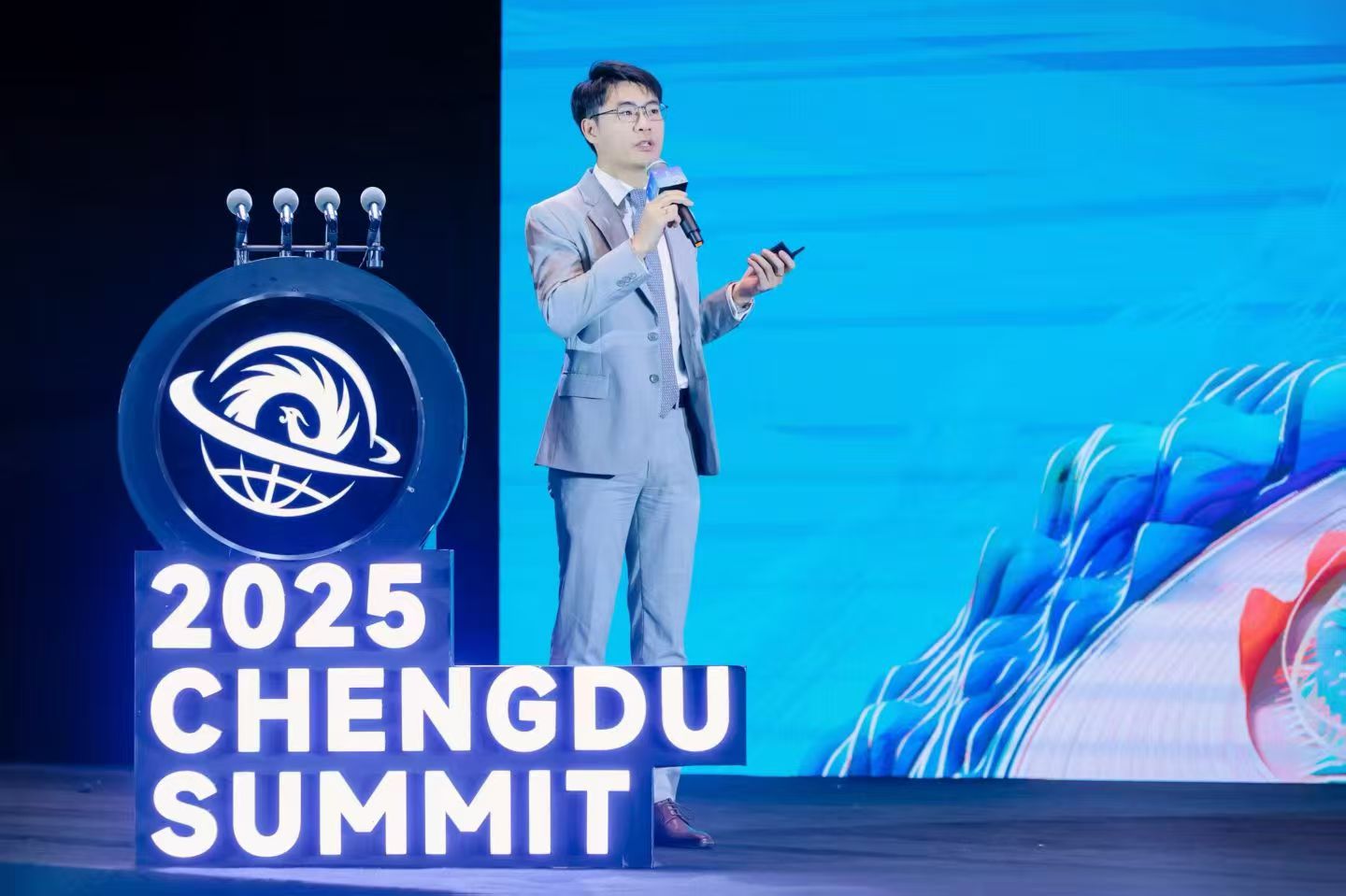
Speaking on the topic “Chinese Enterprises Going Global and CRS Tax Residency”, Andy Ma, Managing Director of Lotusia Group noted that cross-border taxation has shifted from ‘whether to declare’ to ‘whether tax-residency classification is reasonable.’ Under the global tax-transparency system, CRS offers no remedial window, making early identity planning essential. Delayed restructuring carries extremely high compliance and financial costs.
On 11 November 2025, tax authorities inBeijing, Guangdong, Fujian, and Sichuan issued notices targeting residents who had overseas income but failed to declare it. Disclosed cases showed supplementary taxes ranging from RMB 510,000 to RMB 6.65 million, highlighting that overseas income reporting is now a regulatory focus.
In this policy environment, accurate tax-residency determination has become the foundation of corporate globalization and cross-border asset planning. Andy highlighted that Singapore tax residency, with its clear criteria and mature cross-border mechanisms, offers a strong solution for entrepreneurs.
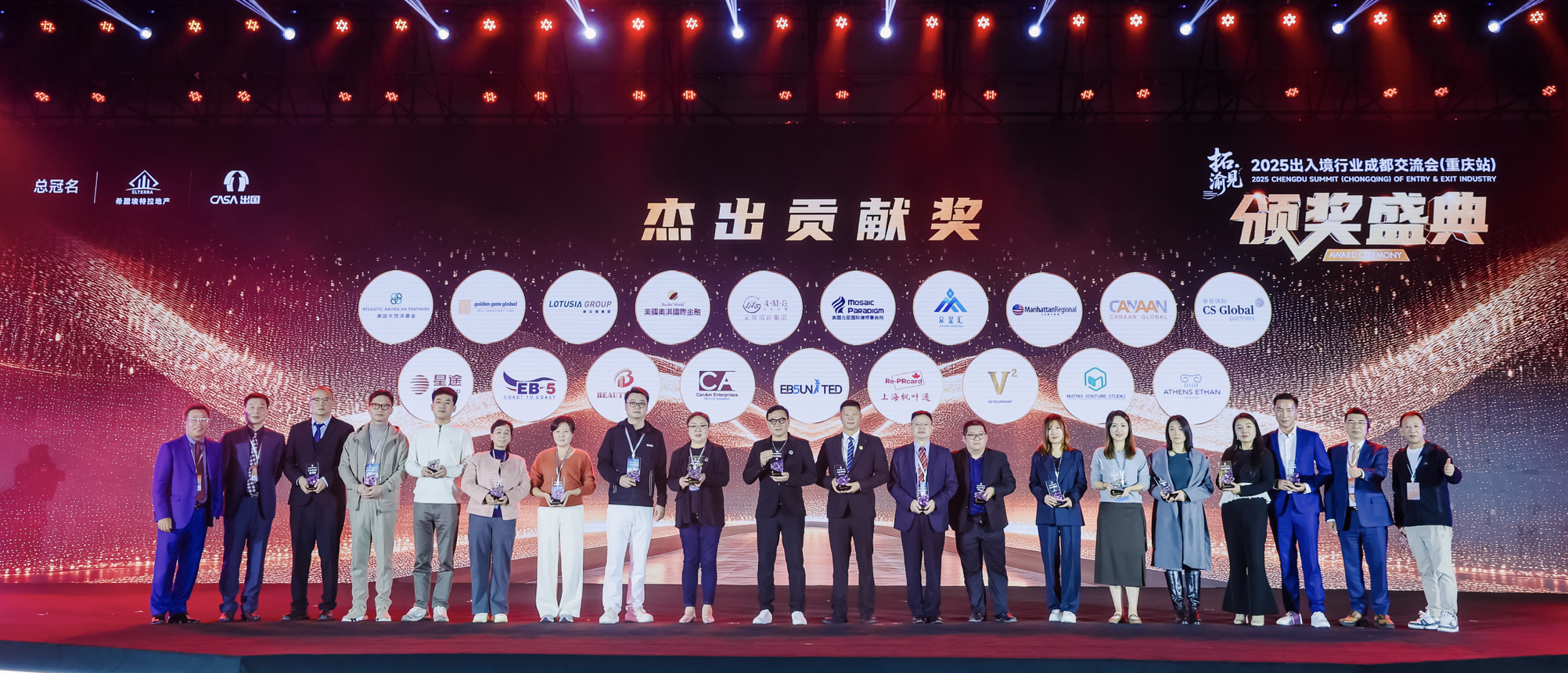
At the accompanying industry awards ceremony, Lotusia Group also received the "2025 Outstanding Contribution Award" for its ongoing work in tax-residency planning and compliance for overseas-expanding enterprises.
2. Automotive and Battery Manufacturing: Compliance, Certification, and Market Access Define the New Phase of Globalization
As China’s manufacturing sector shifts from capital export to global production, the internationalization of the power-battery and EVs industry has reached a critical stage. In November 2025, the World Power Battery Conference in Yibin, brought together global battery leaders, research institutions, and automakers to showcase full-chain technological advancements.
As part of this conference, the 2025 “Yibin Global Trade” Overseas Cooperation Salon was held on 13 November. Topics included brand globalization, European Union regulatory adaptation, overseas industrial-chain development, and market-entry requirements.

Lotusia Group’s Legal Counsel Chen Jiangye, lawyer at Yingke (Ningbo) Law Firm, spoke on the topic “Market Access and Compliance Path Analysis (E.g. Southeast Asia)”. He outlined key considerations including market-access systems, certification timelines, cross-border fund arrangements and supply-chain localization costs. Regulatory differences across SoutheastAsia significantly influence factory-establishment models, investment structures, and delivery cycles.
Lawyer Chen emphasised that certification for power-battery products is complex and requires early planning. Tax, financial, and legal risks form the basic infrastructure of global expansion.
To meet these needs, Lotusia Group has extended its services to a one-stop overseas expansion solution, covering tax compliance, market entry planning, overseas factory setup and long-term risk management.
3. Family Office and Wealth Governance: Entrepreneurs Restructure Global Family-Asset Frameworks
Alongside manufacturing expansion, entrepreneurs are redesigning their family-governance systems. On 13 and 14 November, Lotusia Group participated in the Shenzhen session of the 20th Asia Private Banking and Family Office Summit, hosted by Banyan Legacy, followed by the Chengdu session on 20 and 21 November. Both events became important platforms for discussions on aligning corporate globalization with family-asset internationalization.

In his session “Chinese Enterprises Going Global and Family-Office Globalization,” Jacob Tao, Co-CEO of Lotusia Group explained that an entrepreneur’s global strategy cannot be separated from family-asset structuring. Headquarters location, production layout, and cross-border business models directly affect governance and succession frameworks.
Using the model of a Singapore headquarters combined with ASEAN-based manufacturing, Jacob illustrated how tax efficiency, governance structure, and cross-border asset protection can be integrated within one planning framework. He highlighted the Singapore and Johor regional ecosystem as an example of cross-border alignment between corporate and family structures.
Through these summit engagements, Lotusia Group further strengthened its family-wealth service network in South and Southwest China, forming a complete service chain covering corporate globalization, family governance, and cross-border succession.
Conclusion
From CRS tax transparency to the internationalization of the power-battery industry, and the structural upgrading of family offices, the events Lotusia Group engaged in during November 2025 indicate that globalization is shifting from business-driven expansion to structure driven planning.
- Tax residency is the starting point.
- Global industrial deployment is the pivot.
- Family governance and succession form the long-term destination.
The next stage of globalization is not only about how enterprises expand overseas, but how enterprises and families move forward under the same structural framework.


